Understanding Heat Pumps and Furnaces: An Overview
What is a Heat Pump?
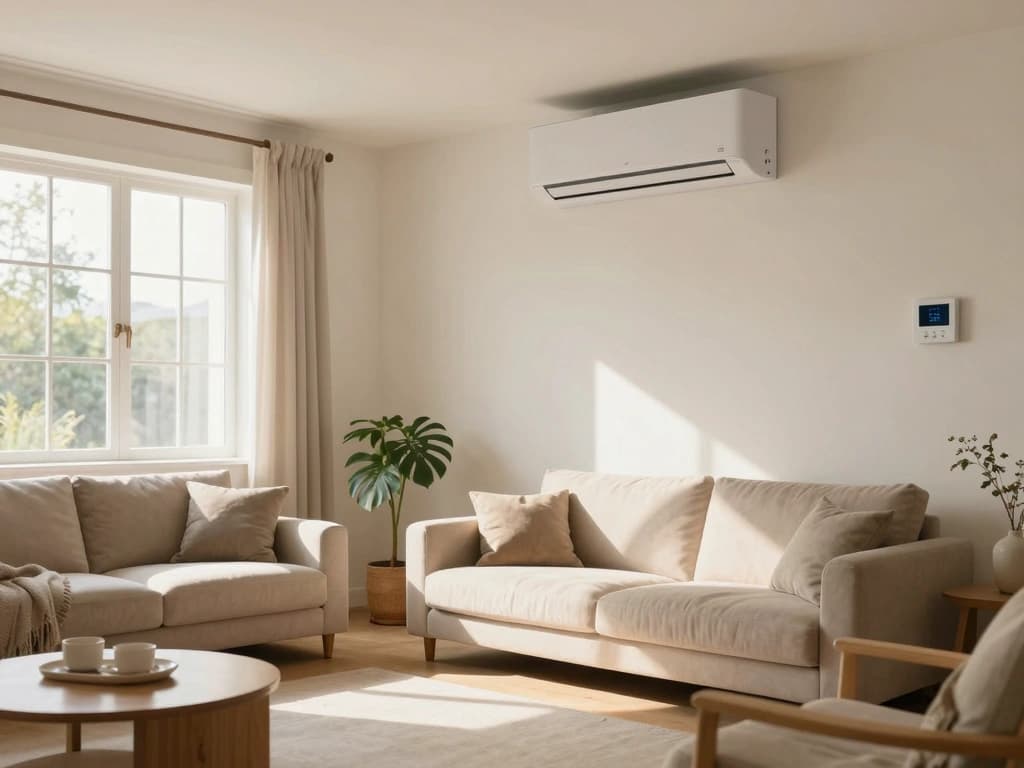
A heat pump is a versatile and energy-efficient system that transfers heat from one place to another, effectively heating or cooling a home depending on the season. Unlike traditional heating systems that generate heat, heat pumps move heat. In the winter, they extract heat from the outside air (even in cold temperatures) and transfer it indoors. In the summer, the process is reversed, removing heat from the indoor air and releasing it outside.
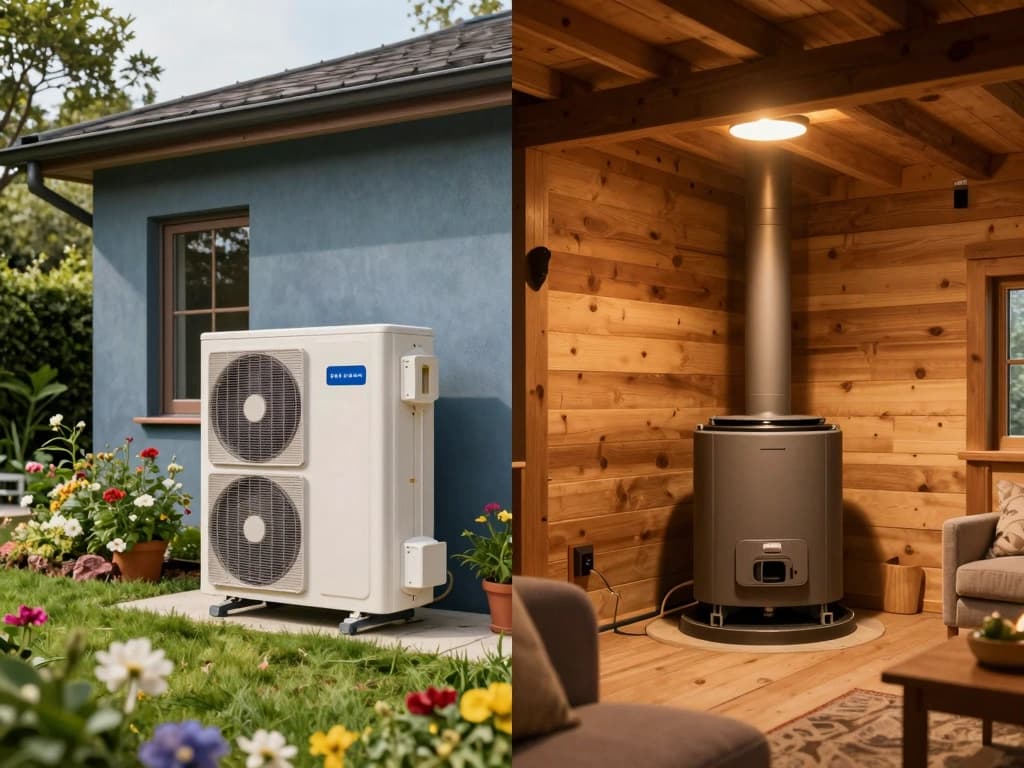
Heat pumps come in various types, including air-source, ground-source (geothermal), and water-source systems. Air-source heat pumps are the most common due to their relatively low installation costs and ease of use. For instance, a typical air-source heat pump can achieve a coefficient of performance (COP) of around 3.0, meaning it can produce three units of heat for every unit of electricity consumed.
What is a Furnace?
A furnace is a traditional heating system that generates heat through combustion (in the case of gas or oil furnaces) or through electrical resistance (in electric furnaces). The generated heat is then distributed throughout a home using ductwork. Furnaces are categorized mainly into two types: forced air systems and radiant systems. Forced air systems blow heated air through ducts, while radiant systems heat surfaces such as floors or walls.
Furnaces are typically fueled by natural gas, propane, oil, or electricity. For example, a natural gas furnace can achieve an annual fuel utilization efficiency (AFUE) rating of up to 98%, indicating high efficiency in converting fuel to heat.
Key Differences in Functionality
- Heat Source: Heat pumps transfer heat, while furnaces generate heat.
- Energy Source: Heat pumps primarily use electricity, whereas furnaces can use gas, oil, or electricity.
- Cooling Capability: Heat pumps can also cool homes, providing year-round climate control, while furnaces are strictly heating devices.
- Installation Complexity: Heat pumps often require more complex installation due to refrigerant lines and outdoor units, while furnaces mainly need ductwork and venting.
Initial Installation Costs: Heat Pump vs Furnace
Cost Factors for Installing a Heat Pump
The initial installation costs for heat pumps can vary significantly based on several factors, including the type of heat pump, the size of the home, and local labor costs. On average, homeowners can expect to pay between $3,500 and $8,000 for an air-source heat pump installation, with geothermal systems ranging from $10,000 to $30,000 due to the extensive ground excavation required.
Key cost factors include:
- Type of Heat Pump: Air-source heat pumps are generally less expensive than geothermal systems.
- Home Size: Larger homes require larger systems, increasing costs.
- Local Labor Rates: Costs can vary widely based on geographic location.
- Additional Equipment: Upgrades to electrical systems or ductwork may also be necessary.
Cost Factors for Installing a Furnace
Furnace installation costs also depend on the type of furnace, the size of the home, and local market conditions. On average, homeowners can expect to pay between $2,500 and $6,000 for a gas or oil furnace installation, while electric furnaces may range from $1,500 to $4,000. The initial costs are generally lower than those of heat pumps, particularly for standard gas furnaces.
Factors influencing furnace installation costs include:
- Furnace Type: Gas and oil furnaces typically cost more than electric models.
- Size and Efficiency: Larger and more efficient furnaces can significantly increase the overall costs.
- Existing Infrastructure: Homes with existing ductwork can save on installation costs.
- Permitting and Codes: Local regulations may require additional permits or inspections, adding to costs.
Comparative Analysis of Installation Expenses
When comparing initial installation costs, heat pumps tend to be more expensive than furnaces. However, the potential for energy savings and dual functionality (heating and cooling) can offset these costs over time. For example, while a heat pump installation might cost an average of $5,000, a homeowner could save on air conditioning costs, which would not be possible with a traditional furnace.
In conclusion, the choice between a heat pump and a furnace in terms of installation costs will depend on the homeowner's specific needs, the local climate, and the existing infrastructure of the home. While furnaces may offer lower upfront costs, heat pumps present a compelling option for those looking for long-term energy efficiency and versatility.
Operational Costs: Energy Efficiency and Usage
Energy Efficiency Ratings: Heat Pumps
Heat pumps are renowned for their energy efficiency, as evidenced by their high SEER (Seasonal Energy Efficiency Ratio) and HSPF (Heating Season Performance Factor) ratings. A typical air-source heat pump can achieve a SEER rating of 14 to 20 and an HSPF rating of 8 to 10. This means that for every unit of energy consumed, heat pumps can deliver a significantly higher amount of heating or cooling compared to traditional systems.
For instance, a heat pump with a SEER rating of 16 can save homeowners approximately 20-30% on their cooling costs compared to an older model with a SEER of 10.
Energy Efficiency Ratings: Furnaces
Furnaces are also rated for energy efficiency, primarily through their AFUE ratings. Modern gas furnaces can achieve AFUE ratings of 90% to 98%, meaning that a substantial proportion of the fuel used is converted into heat for the home. For example, a furnace with a 95% AFUE rating will convert 95% of its fuel into usable heat, making it a strong choice for efficient heating.
While electric furnaces can also deliver high efficiency, they generally have higher operating costs due to the price of electricity compared to gas or oil.
Long-term Energy Cost Comparison
When analyzing long-term operational costs, it is essential to consider both energy efficiency and local energy prices. Heat pumps generally have lower operational costs, especially in moderate climates, due to their ability to provide both heating and cooling at a lower energy cost. For instance, a homeowner in a climate with mild winters might spend about $1,200 annually on heating with a heat pump, whereas the same home with a gas furnace might incur costs of $1,500 or more annually, depending on usage patterns and fuel prices.
Over a decade, these differences can amount to significant savings. For example, a homeowner using a heat pump could save approximately $3,000 to $5,000 on energy bills compared to a furnace, particularly in regions with fluctuating energy costs.
Maintenance Costs Over the Lifetime
Regular Maintenance Requirements for Heat Pumps
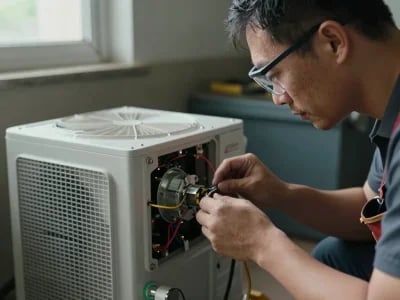
Heat pumps require regular maintenance to operate efficiently. This includes tasks such as cleaning or replacing filters, checking refrigerant levels, and ensuring that coils are clean and free of debris. Homeowners should expect to spend about $150 to $300 annually on maintenance for a heat pump, depending on the complexity of the system and local service fees.
Regular maintenance can help prolong the lifespan of the unit and maintain its efficiency, ultimately saving homeowners money in the long term. Additionally, many manufacturers recommend having a professional inspection at least once a year, particularly before the heating or cooling season begins.
Regular Maintenance Requirements for Furnaces
Furnaces also require regular maintenance, typically including tasks such as inspecting and cleaning burners, checking the heat exchanger for cracks, and replacing filters. Annual maintenance costs for furnaces generally range from $100 to $250, making them slightly less expensive than heat pumps in terms of routine care.
Neglecting maintenance can lead to decreased efficiency and potentially costly repairs, so homeowners should prioritize regular check-ups to ensure their furnace operates safely and efficiently.
Comparing Long-term Maintenance Expenses
Over a 15-year lifespan, maintenance costs can add up. Assuming an average annual maintenance cost of $200 for a heat pump, total maintenance expenses would be around $3,000. In contrast, a furnace with an average annual maintenance cost of $175 would accumulate approximately $2,625 over the same period. Although heat pumps may have slightly higher maintenance costs, their efficiency and dual functionality can provide offsetting savings in energy bills.
Ultimately, regular maintenance is vital for both systems, and the choice between a heat pump and a furnace should factor in these ongoing expenses as well as potential savings from increased efficiency.
Longevity and Replacement Considerations
Average Lifespan of Heat Pumps
The average lifespan of a heat pump is typically between 10 to 15 years, although some high-quality models may last up to 20 years with proper maintenance. Factors influencing longevity include the quality of the installation, the frequency of maintenance, and the local climate. For example, heat pumps operating in milder climates may experience less strain and, consequently, last longer than those in extreme temperature conditions.
Average Lifespan of Furnaces
Furnaces generally have a longer lifespan than heat pumps, averaging between 15 to 30 years depending on the type and maintenance. Gas furnaces, in particular, are known for their durability and can often exceed 20 years if well-maintained. However, factors such as installation quality, usage patterns, and maintenance frequency will impact how long a furnace will last.
Factors Influencing Replacement Timing and Costs
Several factors can influence the timing of replacement for both heat pumps and furnaces:
- Age of the System: Once a system approaches the end of its expected lifespan, it is wise to consider replacement.
- Efficiency Decline: If energy bills rise sharply, it may indicate that the system is no longer efficient and should be replaced.
- Frequent Repairs: Increasing repair costs may signal that it’s time for a new unit.
- Technological Advances: Newer models may offer significant energy savings and features, making replacement more appealing.
Replacement costs can vary widely based on system type, size, and installation complexity. Homeowners should budget for installation costs similar to those outlined earlier, along with potential upgrades to ductwork or electrical systems.
In conclusion, both heat pumps and furnaces offer unique advantages and disadvantages in terms of lifetime costs for homeowners. While heat pumps may have higher initial installation costs, their operational efficiency and dual functionality can lead to significant long-term savings. Conversely, furnaces, while generally less expensive to install and maintain, may incur higher operational costs, especially in climates with extreme temperatures. Ultimately, the best choice for homeowners will depend on their specific needs, local climate, and budget considerations.