Comparing Layover-Friendly Airports for Seamless Transit Experiences
Accessibility and Transportation Options
Public Transit Connections
When considering layover-friendly airports, accessibility is a significant factor. Airports with robust public transit connections can make transitions smoother for travelers. For example, Amsterdam Schiphol Airport (AMS) offers an efficient and direct train service to the city center, with trains departing every 10-15 minutes. The journey takes approximately 15-20 minutes, allowing travelers to explore the city even during short layovers.
Similarly, Singapore Changi Airport (SIN) provides excellent connectivity to the city through its MRT (Mass Rapid Transit) system. Passengers can reach the city center in about 30 minutes, with trains operating frequently. The ease of accessing public transit can greatly enhance the layover experience, allowing travelers to maximize their time at their destination.
Airport Shuttle Services
In addition to public transit, many airports offer shuttle services that cater specifically to layover passengers. For instance, Los Angeles International Airport (LAX) has a FlyAway Bus service that connects travelers to various locations in the city, including downtown, Hollywood, and Van Nuys. These shuttles run regularly and are a convenient option for passengers looking to leave the airport during longer layovers.
On the other hand, Toronto Pearson International Airport (YYZ) also provides a pre-arranged shuttle service to nearby hotels, which is particularly useful for those with extended wait times. These shuttle services can significantly reduce the stress of navigating transportation logistics, providing a seamless experience for transit travelers.
Car Rental Facilities
For those who prefer to drive themselves during layovers, the availability of car rental facilities is crucial. Airports like Denver International Airport (DEN) feature a dedicated rental car center that houses multiple car rental agencies. This facility is conveniently located and easily accessible via a short train ride from the main terminal.
In contrast, some airports, such as Orlando International Airport (MCO), have car rental services located on-site, allowing quick access to rental cars without the need for additional transportation. This ease of access can significantly impact a traveler's layover experience, as it allows for more flexibility when exploring the area.
Terminal Layout and Navigation
Signage and Wayfinding
A well-organized terminal layout is essential for facilitating smooth transitions between flights. Airports like Hong Kong International Airport (HKG) are known for their clear signage and intuitive wayfinding systems. The use of multilingual signs and interactive kiosks helps passengers navigate the terminal efficiently, reducing anxiety during layovers.
Conversely, airports with less intuitive layouts, such as John F. Kennedy International Airport (JFK), can pose challenges for layover passengers. The complex layout of terminals can lead to confusion and longer travel times between gates, making it imperative for passengers to familiarize themselves with terminal maps and pathways ahead of time.
Distance Between Gates
The physical distance between gates is another critical consideration for layover-friendly airports. For example, at Dallas/Fort Worth International Airport (DFW), the airport is designed with a centralized layout that allows for relatively short distances between gates within the same terminal. This design can be particularly advantageous for passengers on tight schedules.
In comparison, airports like Chicago O'Hare International Airport (ORD) have a more spread-out terminal configuration, where passengers may need to walk significant distances to reach connecting flights. This can lead to added stress, especially for travelers with limited time between flights.
Terminal Amenities for Transit Passengers
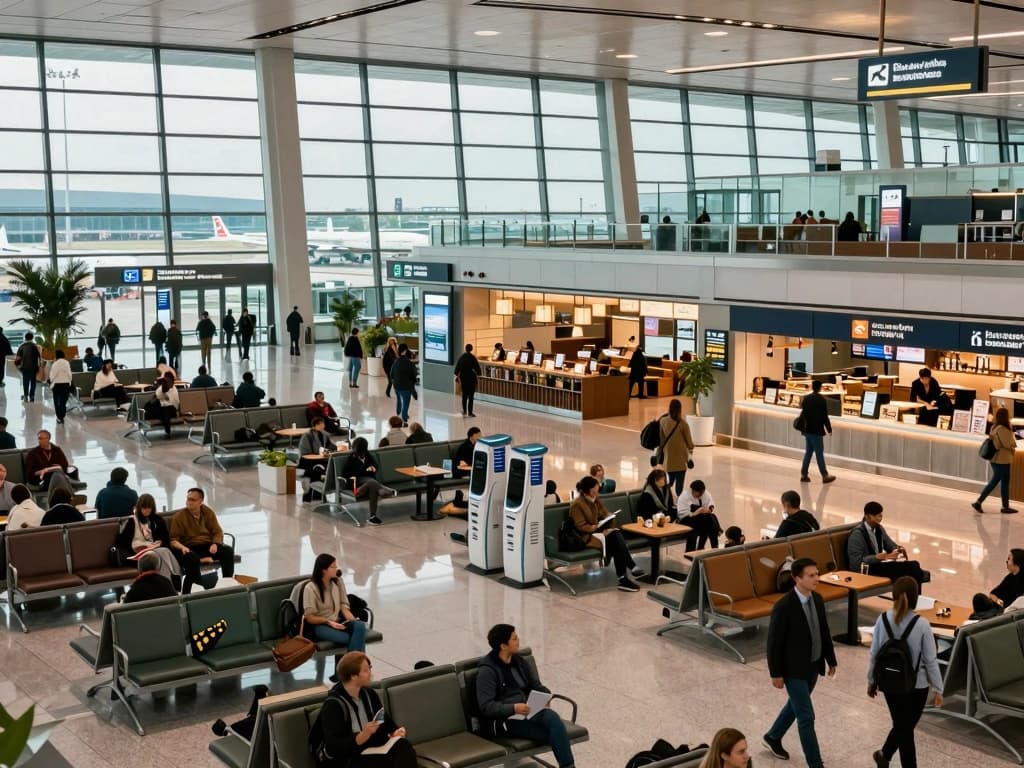
Airports that prioritize transit passengers often provide a range of amenities that enhance the layover experience. For instance, Singapore Changi Airport (SIN) is renowned for its extensive amenities, including free movie theaters, butterfly gardens, and even a rooftop swimming pool. These options allow travelers to relax and recharge during longer layovers.
In contrast, airports like Newark Liberty International Airport (EWR) may have limited amenities for transit passengers, which can make a long layover feel more tedious. Ensuring that there are comfortable seating areas, charging stations, and entertainment options can significantly improve the overall layover experience.
Security and Customs Efficiency
Processing Times for Layover Passengers
Security and customs efficiency play a pivotal role in the layover experience. Airports like Singapore Changi (SIN) and Hamad International Airport (DOH) are known for their quick processing times, often completing security checks within 5-10 minutes. This efficiency is particularly important for travelers with tight connections, as it allows them to navigate the airport with ease.
On the other hand, airports such as Los Angeles International Airport (LAX) may experience longer wait times at security, especially during peak travel hours. This variability can contribute to heightened stress for layover passengers and underscores the importance of choosing airports with reliable processing times.
Pre-Clearance Facilities
Some airports offer pre-clearance facilities that allow international travelers to complete customs and immigration checks before arriving at their final destination. For instance, airports like Abu Dhabi International Airport (AUH) and Toronto Pearson International Airport (YYZ) have pre-clearance services for travelers heading to the United States. This feature can significantly reduce processing times upon arrival, allowing for a smoother transition for layover passengers.
In contrast, airports without such facilities may subject travelers to longer customs lines upon arrival, potentially impacting their overall layover experience. This factor should be taken into consideration when planning itineraries that involve multiple international flights.
Tips for Navigating Security Checks
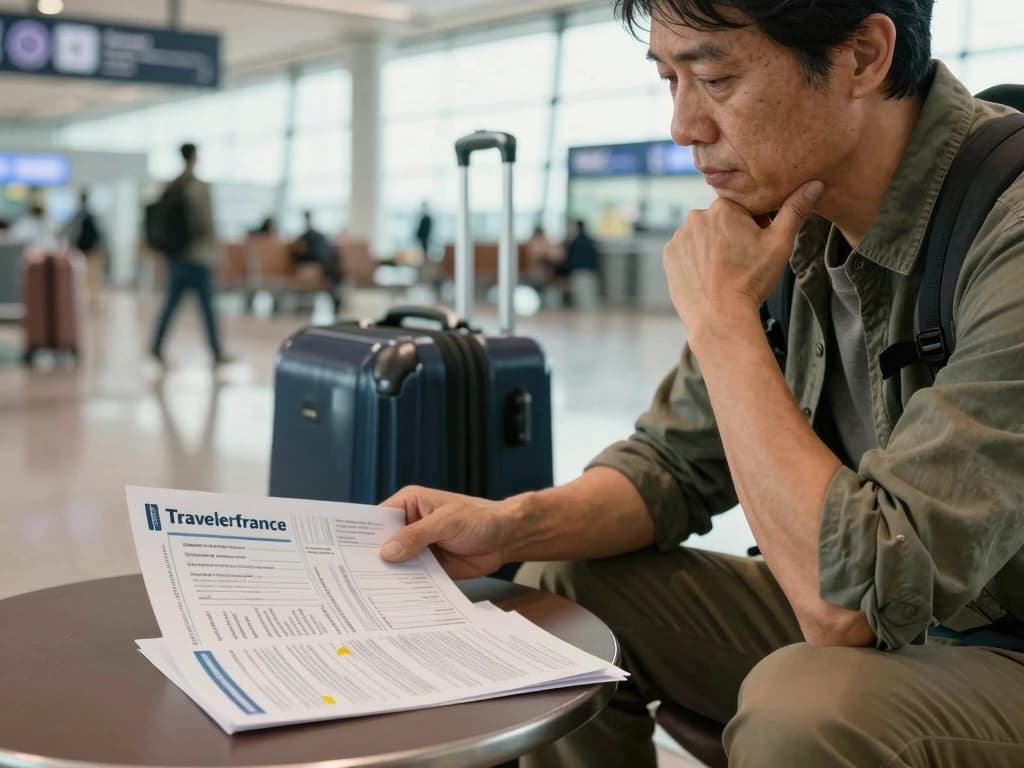
To enhance the layover experience, travelers can adopt several strategies for navigating security checks efficiently. First and foremost, arriving at the airport early is crucial to allow ample time for potential delays. Keeping travel documents organized and easily accessible can also expedite the process.
In addition, familiarizing oneself with the airport's security procedures can lead to a smoother experience. For example, knowing the specific regulations regarding liquids and electronics can help avoid complications during the security screening process. Furthermore, travelers should consider wearing easily removable shoes and clothing to facilitate quicker passage through security checkpoints.
Dining and Relaxation Options
Food Variety and Quality
Layover-friendly airports often provide a diverse array of dining options that cater to various tastes and dietary requirements. For example, Singapore Changi Airport (SIN) features an impressive selection of over 140 food and beverage outlets, ranging from local delicacies to international cuisine. The quality of food in these establishments is often high, making them a pleasant option for travelers looking to enjoy a meal during their layover.
In contrast, airports such as Philadelphia International Airport (PHL) may have limited dining options, with fewer high-quality choices available. Airports that invest in a diverse culinary landscape can significantly enhance the layover experience for travelers, providing a chance to sample local flavors and cuisines.
Lounge Access and Amenities
Access to airport lounges can greatly improve the layover experience, providing comfort and amenities such as complimentary food, drinks, and Wi-Fi. Airports like Doha's Hamad International Airport (DOH) feature numerous lounges, including the Qatar Airways Al Mourjan Business Lounge, which offers luxurious amenities such as private sleeping pods, a gourmet buffet, and even a cinema.
On the other end of the spectrum, some airports may have limited lounge access or amenities. For instance, airports that do not offer dedicated lounges can leave travelers with fewer options for relaxation during layovers, which can be a drawback for those seeking comfort during extended waits.
Quiet Zones and Sleeping Areas
For travelers facing long layovers, the availability of quiet zones or sleeping areas is a significant advantage. Airports like Singapore Changi (SIN) and Incheon International Airport (ICN) provide designated quiet zones, equipped with comfortable seating and even sleeping pods, allowing passengers to rest without disturbance.
In contrast, airports such as Newark Liberty International Airport (EWR) may lack adequate sleeping facilities, making it challenging for travelers to find a comfortable place to rest during lengthy layovers. The presence of restful environments can elevate the overall experience for layover passengers and should be considered when evaluating airport amenities.
Technology and Connectivity
Wi-Fi Availability and Speed
In today’s digital age, reliable Wi-Fi connectivity is essential for layover passengers. Airports like Changi (SIN) and Hamad International Airport (DOH) provide free Wi-Fi with high-speed access, allowing travelers to stay connected, catch up on work, or stream entertainment during their layovers. The seamless connectivity can significantly enhance the overall experience, providing a sense of normalcy and convenience.
Conversely, some airports may offer limited or unreliable Wi-Fi services. For example, airports that charge for Wi-Fi access, such as Atlanta’s Hartsfield-Jackson International Airport (ATL), can frustrate travelers who expect free connectivity. The quality and availability of Wi-Fi should be a key consideration for travelers planning layovers.
Charging Stations and Workspaces
As travelers rely increasingly on electronic devices, the availability of charging stations and workspaces becomes crucial during layovers. Airports like San Francisco International Airport (SFO) and Munich Airport (MUC) have equipped various terminals with numerous charging stations and dedicated workspaces, allowing passengers to recharge both their devices and themselves.
In contrast, some airports may lack sufficient charging options, leaving passengers scrambling to find power outlets. This deficiency can lead to increased stress, especially for business travelers who need to stay connected. The presence of adequate charging infrastructure can greatly enhance the layover experience.
Flight Information Displays and Apps
Effective communication of flight information is vital for a seamless transit experience. Airports that invest in modern flight information displays, such as those seen at Tokyo Haneda Airport (HND), provide real-time updates on flight statuses, gate changes, and boarding times. Additionally, many airports have developed mobile applications that allow travelers to receive notifications about their flights, enhancing accessibility to critical information.
Conversely, airports with outdated information systems can lead to confusion and missed connections. For example, airports that do not provide mobile app support or reliable displays may leave travelers in the dark regarding their flight statuses, underscoring the importance of technological investments in enhancing the layover experience.